
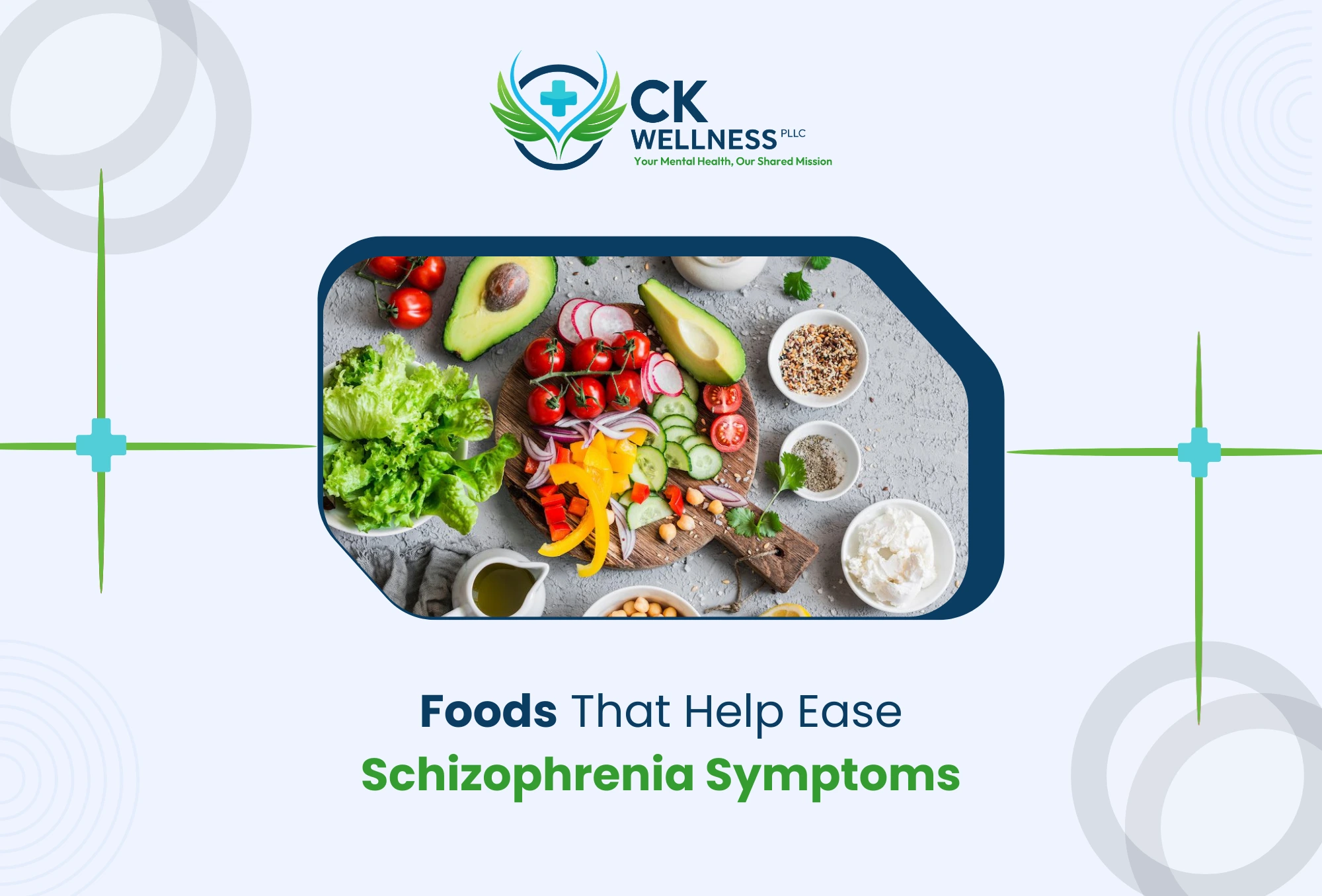
Living well with schizophrenia and psychotic disorders can feel hard. Thinking may feel cloudy. Mood may change fast. Energy may feel low. Medicine and therapy are very important. But food can also help the brain feel better.
We focus on the treatment of schizophrenic and other psychotic patients at CK Wellness, PLLC. We help them with medicine, therapy and healthy practices such as decent eating.
Below are simple foods that may help support brain health.
Understanding the Different Types of Schizophrenia
Even though the pattern of schizophrenia is present in one spectrum of modern diagnostic guidelines, it is possible to hear about more ancient categories that outline the pattern of symptoms. These include:
- Paranoid schizophrenia
- Undifferentiated schizophrenia.
- Catatonic schizophrenia
- Undifferentiated schizophrenia.
- Residual schizophrenia
While these are no longer formal diagnostic categories, these categories explain symptom variation among individuals. Nutrition helps keep the brain stable and supports good health.
How Nutrition Affects Schizophrenia Symptoms
The brain needs steady fuel. It is effective for vitamins, minerals, essential fatty acids and amino acids. The body may not get these nutrients, and thus, one may experience low energy, low mood and confusion.
Schizophrenic patients have been found to experience increased inflammation, oxidative stress, and nutrient deficiency. Proper dieting can be used to support:
- Better focus and clarity
- Improved mood stability
- Balanced energy levels
- Stronger immune health
- Reduced inflammation
Nutrition is not a substitute for medication. It collaborates with professional psychiatric support to enhance overall wellness. Dietary improvements can be among the safest and most logical places to start when people start to explore natural treatments of schizophrenia.
At CK Wellness, PLLC, we help our patients make small, healthy habits. Minor adjustments in food can bring a substantial difference in the long run.
Omega-3 Rich Foods for Brain Support
Omega 3 fatty acids are essential for brain cell structure and communication. Low levels of omega-3 are associated with mood swings and cognitive impairments.
Foods high in omega-3 include:
- Salmon
- Sardines
- Mackerel
- Walnuts
- Chia seeds
- Flaxseeds
The foods are used to ease brain swelling. They are useful in the inhibition of emotional control and enhancement of mental focus. Consumption of a few portions of fatty fish per week or plant sources such as chia and flax can do the deal.
Whole Grains for Stable Energy
The brain runs on glucose. Refined sugar causes highs and lows. Such movements may enhance irritability and exhaustion.
Whole grains are slow energy producing food. They help to maintain normal sugar levels and a regular mood.
- Brown rice
- Oats
- Whole wheat bread
- Quinoa
- Barley
Normal blood sugar levels help reduce mental fog and mood fluctuations. Complex carbohydrate meals need to be taken regularly to help in everyday operation.
Leafy Greens and Colorful Vegetables
Vegetables are rich in antioxidants, folate and magnesium. These nutrients help protect brain cells from damage.
Healthy choices:
- Spinach
- Kale
- Broccoli
- Carrots
- Bell peppers
Try to eat many colors. Different colors give different nutrients.
Lean Proteins for Neurotransmitter Balance
Proteins are a source of amino acids. These are the building blocks of neurotransmitters like dopamine and serotonin. These chemicals help control mood and thoughts.
Healthy protein sources are:
- Chicken
- Turkey
- Eggs
- Lentils
- Beans
- Tofu
Normal dopamine levels prove to be particularly significant in psychotic diseases. Frequent consumption of proteins enables a consistent brain chemistry.
Foods with B Vitamins
B vitamins help nerves and energy.
Foods with B vitamins:
- Eggs
- Dairy products
- Leafy greens
- Legumes
- Fortified cereals
Vitamins B6, B9 and B12 aid the regulation of mood and mental performance. B-complex vitamins are sometimes discussed among schizophrenia supplements, especially when lab tests show a deficiency. The safest thing to do is to consume a diversified diet.
Probiotic Foods for Gut Brain Health
The gut and brain talk to each other. Healthy gut bacteria can help mood.
Probiotic foods:
- Yogurt with live cultures
- Kefir
- Sauerkraut
- Kimchi
Try to eat fermented foods a few times each week.
Hydration and Brain Function
Water is vital for concentration and clarity. Fatigue and confusion can be experienced even with mild dehydration.
Easy hydration practices involve:
- Drink water during the day
- Limit soda
- Do not drink too much caffeine
Even a little dehydration can make you feel tired.
Foods to Avoid in Schizophrenia Care
Some foods can aggravate symptoms.
Try to limit:
- Processed snacks
- Sugary foods
- Fried foods
- Too much alcohol
- Too much caffeine
Some products can harm you, causing anxiety and inflammation. Balanced meals help your body and brain relax.
How We Support Schizophrenia Treatment at CK Wellness, PLLC
Nutrition works best when combined with expert mental health treatment. At CK Wellness, PLLC, we provide structured care for individuals with schizophrenia and psychotic disorders. We combine medical knowledge with compassionate care.
Our long-term plans focus on:
- Symptom reduction
- Medication management
- Emotional stability
- Improved daily functioning
- Lifestyle guidance, including nutrition
We treat each person as unique. We listen carefully. We adjust care based on individual needs.
Food supports better outcomes when combined with medication and therapy.
Daily Meal Planning Tips for Schizophrenia Support
Here is an easy idea:
Breakfast
Oatmeal with nuts and fruit
Lunch
Chicken or lentils, brown rice and vegetables
Snack
Yogurt with seeds
Dinner
Baked salmon, quinoa and leafy greens
Eating at the same time each day helps the brain feel steady.
Final Thoughts
Schizophrenia is a serious brain illness. Food cannot cure it. But nutrition is one of the most practical and supportive holistic treatments for schizophrenia that can complement psychiatric care.
If you or a loved one needs help, reach out to CK Wellness, PLLC. We offer outstanding psychiatric services.
Our tailored treatment plans and individualized support help patients enhance their emotional health.
FAQs
Can food cure schizophrenia?
No. Food cannot cure schizophrenia. It helps support brain health.
Should I start a special diet?
Talk to your doctor first, especially if you take medicine.