
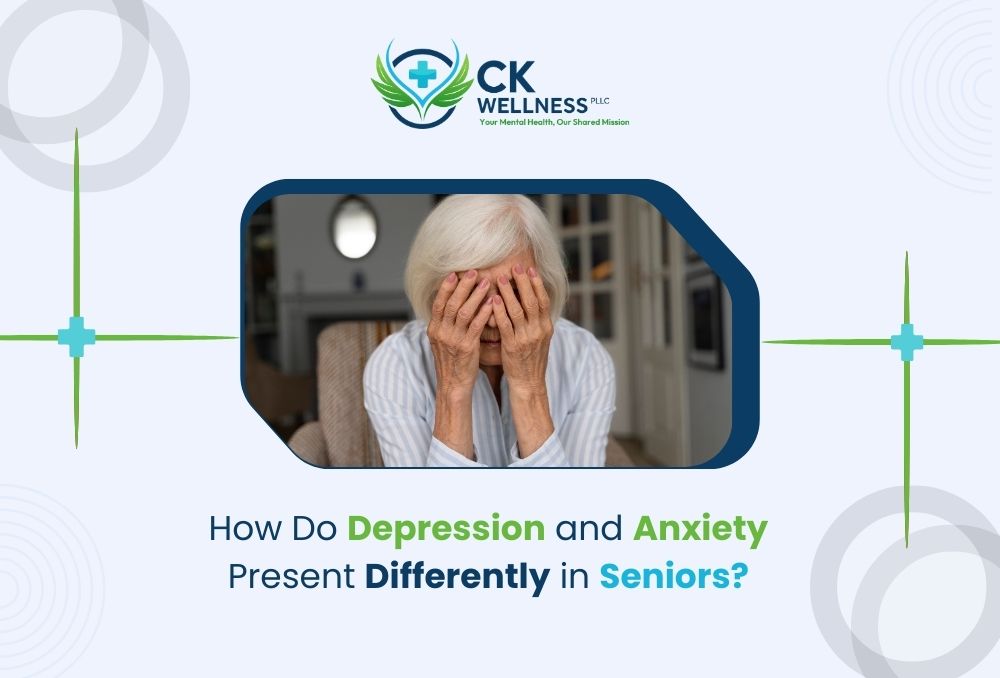
Depression and anxiety can be tough to notice in seniors. At times, the signals appear identical. Other times, they look different from how younger people feel. We will help you identify what to search for.
What Is Depression in Seniors?
Depression is a deep sadness that lasts. It can make daily life hard. A senior with depression may:
- Feel sad most days.
- Stop enjoying hobbies and friends.
- Sleep too much or not sleep at all.
- Lose interest in eating or eat too much.
- Move or talk more slowly.
- Say they feel useless or guilty.
- Have problems thinking or making plans.
- Say they feel tired all the time.
Sometimes seniors show physical complaints. They might say their pain is worse. They might visit the doctor a lot for aches. This can be a sign of depression.
What Is Anxiety in Seniors?
Anxiety is worry that does not go away. It can make the body feel tense. A senior with anxiety may:
- Worry a lot about small things.
- Feel restless or on edge.
- Have fast heartbeats or chest pain.
- Feel short of breath.
- Have an upset stomach or nausea.
- Have trouble sleeping because of worry.
- Avoid places or people that make them nervous.
Anxiety can make a person feel unsafe. It can stop them from leaving the house or trying new things.
How Signs May Look Different in Seniors
Seniors can show different signs than younger people. Age and health can change how symptoms appear.
- Mood may be flat. A senior might not say they are sad. They may seem tired or quiet instead.
- Physical problems can hide mood problems. Pain, tiredness, or sleep issues might be blamed on age. But they could be from depression or anxiety.
- Memory and thinking can be affected. Both depression and anxiety can make focusing hard. This can look like early dementia. That is why careful checks are important.
- Fear of being a burden is common. Seniors may hide feelings so they won’t worry their family.
- Symptoms can come after a health problem. A hospital stay, surgery, or loss can trigger depression or anxiety.
What Is Different Between Depression and Anxiety?
Some signs overlap. But there are clear differences.
Depression often brings:
- Low mood.
- Loss of interest.
- Slow movements.
- Low energy.
- Thoughts about worthlessness or death.
Anxiety often brings:
- Constant worry.
- Physical tension.
- Panic or fear attacks.
- Restlessness.
A person can have both. This is common. Treating both helps the person feel better faster.
Why Seniors Are at Risk
Several things raise the risk for seniors:
- Chronic illnesses like heart disease or diabetes.
- Loss of friends or a partner.
- Less social contact.
- Problems with sleep.
- Pain or limited mobility.
- Medicines that change mood.
- Loneliness and low income.
Knowing these risks helps us watch for warning signs.
Why It Matters to Find the Right Cause
If we think a senior is just “getting old,” we may miss a treatable problem. Depression and anxiety are medical conditions. They can get better with help. Getting the right diagnosis matters.
If mood problems come from medicine or a new health problem, we can change the plan. Therapy and support help with grief or stress. For dementia, we plan to keep the person safe and cared for.
How We Help at CK Wellness, PLLC
We offer care that fits each person. We know older adults need special care. Our services that help seniors include:
- Depression & Mood Disorders care.
- Anxiety & Panic Disorders care.
- Dementia & Geriatric Psychiatry.
- Sleep Disorder help.
- Help with medicines and therapy.
- Care for coexisting problems like substance use.
We take time to listen. We check medical history and medicines. We check how mood affects daily life. We work with families and caregivers. We make clear and simple plans.
Dr. Krishnaswamy Gajaraj and Shirnett Khorran-Gajaraj lead our team. Together, they have over 50 years of experience. We aim to help you reach emotional well-being. We treat each person with kindness and respect.
What Treatment May Look Like
Care usually uses more than one approach. These are simple options we may use:
- Talk therapy. Short, gentle sessions help with worry and sadness. We use simple tools you can use at home.
- Medicine. Some medicines can lift mood or calm anxiety. We pick medicines that are safe for older adults.
- Sleep helps. Better sleep helps mood and memory.
- Social support. Joining groups or seeing friends helps fight loneliness.
- Family support. We teach family how to help.
- Memory checks. If thinking is hard, we do tests to learn why.
We choose what fits you. We explain each step in a clear way. We keep visits short and to the point.
When to Seek Help
If you notice these signs, reach out:
- Feeling sad most days for weeks.
- Worry that keeps you from daily life.
- Trouble sleeping or eating.
- Pulling away from people.
- New confusion or memory trouble.
- Talking about not wanting to live.
If you see these signs in a loved one, be gentle. Say you care. Offer to help them see a doctor. We are here to help you through that first step.
What You Can Do Now
- Talk to your doctor about mood and worry. Ask for a full check.
- Keep a small daily mood log. Write how you feel each day.
- Keep up some movement. A short walk helps the mood.
- Stay in touch with friends and family.
- Bring a list of medicines to every visit.
- Ask for help when you need it.
Final Words
Depression and anxiety in seniors are common. They are not a normal part of aging. They can be gentle or strong. They can be hidden as pain, sleep trouble, or memory problems. With the right care, seniors can feel better. We at CK Wellness, PLLC, are ready to help. You do not have to face this alone. We will walk with you and your family every step of the way.
Contact CK Wellness, PLLC
Phone: (781) 773-2773
Email: CKwellness3@gmail.com
Address: 99 Derby Street, Hingham, MA 02043.
Insurances We Accept
We accept many major insurers, including Medicare. Our site lists examples like UnitedHealthcare, Aetna, Cigna, Blue Cross/Blue Shield, Harvard Pilgrim and Medicaid. If you have a different plan, please call us to check.
FAQs
Q. What is depression in seniors?
Depression is long sadness. It can make a person stop liking fun things.
Q. How do I start at CK Wellness, PLLC?
Call or visit us. We listen, check health and make a simple plan together.